
Emma Howard
Self - Guest
Detalles
 Ep 1 28m 53s
 Episodio 1
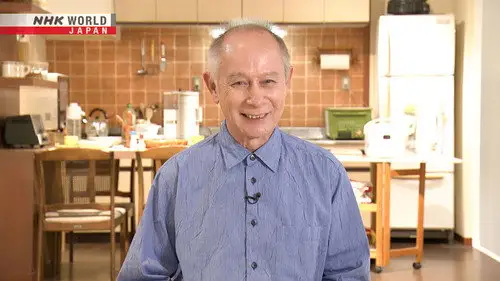
In centuries past, cooking in a Japanese kitchen involved moving between a dirt floor and a raised area with wooden floorboards. Modern kitchens, meanwhile, incorporate all sorts of convenient, space-saving measures. Our guest, associate professor Suzaki Fumiyo, tells the story of that evolution, and explains why some Japanese are choosing to go back to a traditional dirt-floor kitchen. And in Plus One, Matt Alt learns about some traditional kitchen utensils.
Japanology Plus · S10E01
 Ep 2 28m 44s
 Episodio 2
Sweet potatoes are widely grown and enjoyed in Japan. They're baked, fried, served in stews and used to make desserts. Throughout history, they have offered a solution to food shortages. And nowadays, they can even help to keep a building cool in summer. Our guest, researcher Hashimoto Ayuki, introduces us to new ways of enjoying this versatile vegetable. And in Plus One, we see some innovative takes on mobile baked potato sales.
Japanology Plus · S10E02
 Ep 3 28m 49s
 Episodio 3
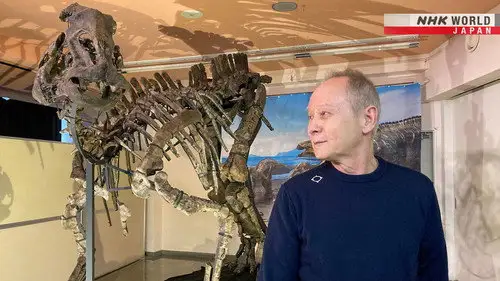
Japan, once thought to have no dinosaur fossils, is now a hotspot for dinosaur discovery. Kamuysaurus japonicus, found in Hokkaido Prefecture, overturned conventional wisdom. Dozens of Japanese museums feature dinosaurs, and dinosaur-themed events are popular with people of all ages. Our guest, dinosaur expert Kobayashi Yoshitsugu, shares the latest information, and offers his view on why the Japanese find dinosaurs so captivating. In Plus One, we see some entertaining modern takes on dinosaurs.
Japanology Plus · S10E03
 Ep 4 28m 06s
 Episodio 4
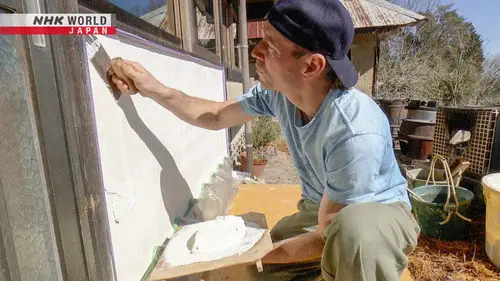
In the mountains of Okayama Prefecture, Kamimomi is a community whose features include beautiful terraced rice fields. But with fewer than 90 residents, it is at risk of disappearing. Here, Kyle Holzhueter from the USA engages in a form of natural construction that employs Japanese plastering techniques. One aim in all he does is a sustainable lifestyle, aligned with the power of nature. Peter Barakan learns about Holzhueter's way of life and the rich potential of Japan's rural communities.
Japanology Plus · S10E04
 Ep 5 28m 23s
 Episodio 5
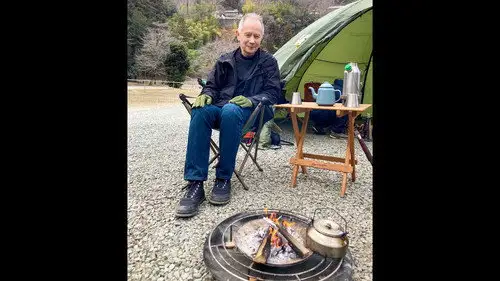
In Japan, interest in camping is booming. Popular choices these days include women-only camping and solo camping. Some prefer glamping, where you don't have to set up your own tent. Camping has also been drawing attention as a good way to prepare for disaster. Peter Barakan visits a campsite with an outdoor expert to get the latest information, and to find out more about why so many people are going camping these days. We also see some Japanese preferences in equipment.
Japanology Plus · S10E05
 Ep 6 28m 59s
 Episodio 6
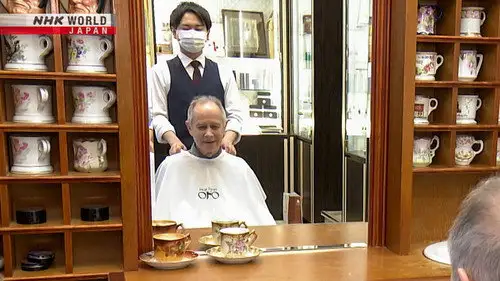
In Japan, economic conditions may be challenging, but male cosmetics are selling increasingly well. Social media and the normalization of remote working have contributed to a growing concern among men about their appearance. The increasing popularity of hair removal treatment is evidence of that trend. But looking back at Japanese history, we see that for over a thousand years, it was normal for men to wear makeup. We look at the evolution of male aesthetics in Japan.
Japanology Plus · S10E06
 Ep 7 28m 59s
 Episodio 7
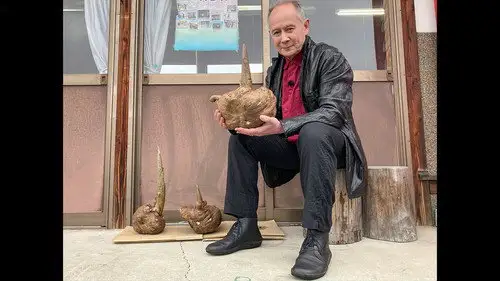
Konnyaku is an important element of Japanese cuisine. It has long been known as a high-fiber, diet-friendly food, and in recent years it's been shown to offer benefits for health conditions including dementia and diabetes. Outside Japan, its popularity is on the rise, and it has started to appear in dishes like pasta. Konnyaku is a chewy, jelly-like food made from the extremely bitter corm of the konjac plant. How is it processed? And what other uses does it have? Peter Barakan visits Japan's top producing area to learn all about this surprising food.
Japanology Plus · S10E07
 Ep 8 28m 32s
 Episodio 8
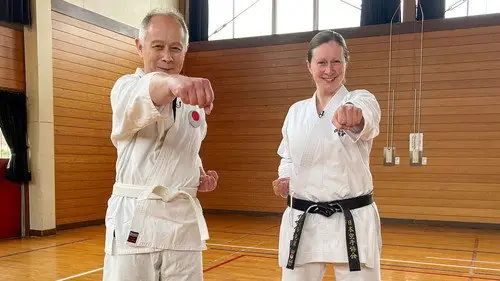
The Japanophile series looks at Japan through the eyes of long-term residents who were born in another part of the world. This time we meet Isabelle Sasaki, a karate instructor from France. She volunteered in Ofunato after it was hit hard by the Great East Japan Earthquake and Tsunami. Eventually she moved there and set up a branch of the Japan Karate Association, making her a rare instance of a woman from another country teaching karate in Japan. She also works in tourism promotion and helps her husband with his scallop farming. Isabelle Sasaki shares her enthusiasm for her adopted hometown and the martial art of karate.
Japanology Plus · S10E08
 Ep 9 28m 53s
 Episodio 9
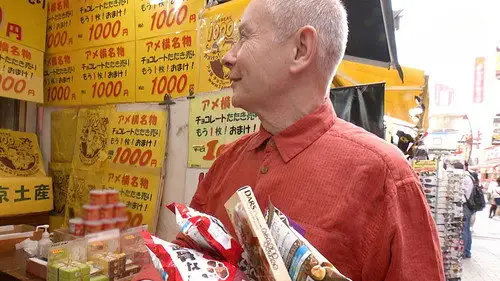
Ueno, in Tokyo, is visited by 25 million tourists each year. It is home to world-class museums and educational facilities, bustling street markets, important shrines and temples, a zoo, and much more. There are surely few places in the world where so many different cultural elements are woven into the same urban district. An expert introduces Peter Barakan to some of the many faces of Ueno, and helps to explain its enduring popularity with visitors and local residents alike.
Japanology Plus · S10E09
 Ep 10 28m 08s
 Episodio 10
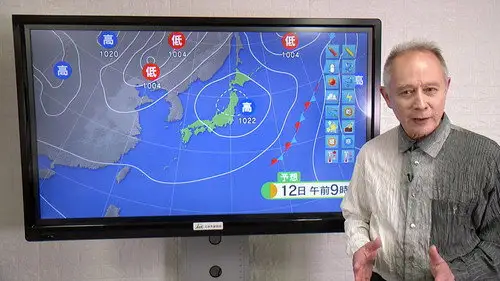
In Japan, businesses are linking meteorological data and sales figures in order to predict consumer demand. This is helping to reduce waste and lower carbon dioxide emissions through optimization of distribution networks. One popular app charts the relationship between the weather and headaches or feeling "under the weather" in other ways. We explore how meteorological data is contributing to everyday life in Japan these days.
Japanology Plus · S10E10
 Ep 11 28m 36s
 Episodio 11
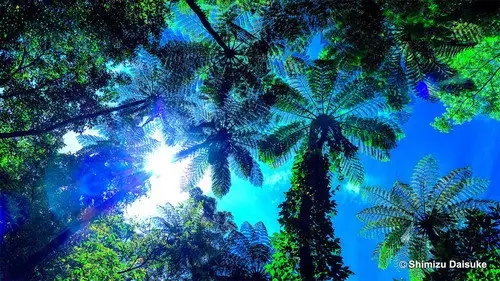
We explore Amami Oshima, a subtropical paradise, through the stunning art of Tanaka Isson. Sometimes referred to as "the Japanese Gauguin," Isson found new inspiration after moving to this southern island. While his work was not appreciated during his lifetime, today it is frequently featured in exhibitions around Japan. In the first of two episodes about Amami Oshima, Peter Barakan follows in Isson's footsteps, and discovers why his work has become so enduringly popular.
Japanology Plus · S10E11
 Ep 12 28m 36s
 Episodio 12
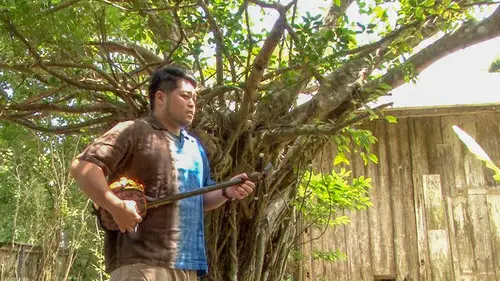
Life in Amami Oshima was once so tough that the islanders devised a way to make a poisonous plant edible. Harsh circumstances nurtured their resilience and resourcefulness on a subtropical island that was ruled by different outside forces as the centuries passed. Folk music became a medium for private communication, and in secret they produced silk fabric with a distinctive black beauty. In the second of two episodes, Peter Barakan gets to the heart of Amami Oshima's unique culture.
Japanology Plus · S10E12
 Ep 13 28m 42s
 Episodio 13
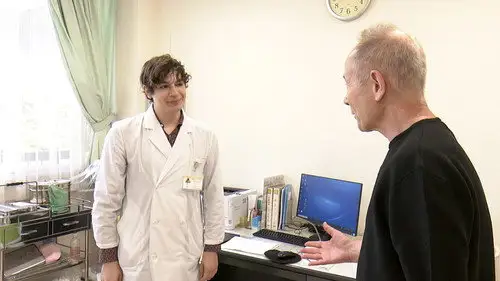
An Italian psychiatrist who uses an original "anime therapy" approach is the guest in this episode of Japanophiles, an occasional series in which we look at Japan through the eyes of residents who originally come from other parts of the world. Francesco Panto was bullied as a child but took comfort in anime. That led to his unusual approach to improving mental health. We hear Panto's story and learn how his work might help to address the widespread challenge of mental health issues among young Japanese.
Japanology Plus · S10E13
 Ep 14 28m 31s
 Episodio 14
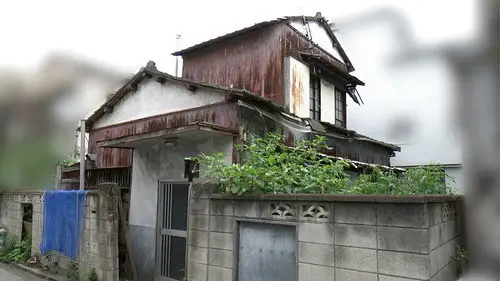
In Japan, one in every seven homes is empty. These 8.5 million vacant properties may increase the risk of fire and burglary, or negatively impact local real estate prices. But new ways are emerging to make use of them. In one regional community, empty homes were turned into high-tech offices or shops, and the local population began to increase. In Tokyo, finding new tenants for shops has revitalized a shopping street. We find out why there are so many vacant homes in Japan and discover some creative solutions.
Japanology Plus · S10E14
 Ep 16 28m 38s
 Episodio 16
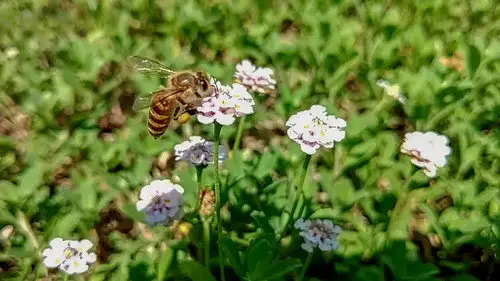
Japanese honeybees are wild, difficult to farm, and produce less honey than the Western honeybees used for most commercial honey production. But the multifloral honey they produce has a rich and complex flavor. Caring for Japanese honeybees brings hobbyist beekeepers closer to the profundity and unpredictability of nature. We learn about creative approaches to looking after Japanese honeybees, and about the surprising way they deal with predators.
Japanology Plus · S10E16
 Ep 17 28m 44s
 Episodio 17
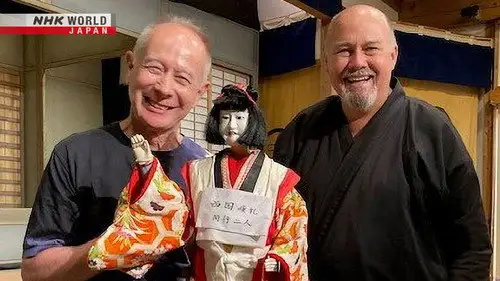
In ningyo joruri, three people work together to make beautifully crafted puppets seem amazingly lifelike. US puppeteer Martin Holman is a devotee of this Japanese performing art, which has around 400 years of history. Nowadays, he leads a troupe of his own in Tokushima Prefecture, home to Awa ningyo joruri. On this episode of Japanophiles, Peter Barakan explores the world of ningyo joruri and learns how Martin Holman is expanding its horizons with the help of performers young and old from several countries.
Japanology Plus · S10E17
 Ep 18 28m 20s
 Episodio 18
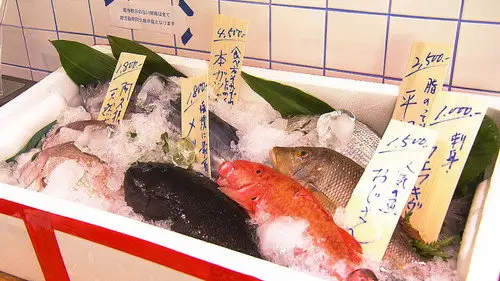
Luna lionfish and black rabbitfish ... these are examples of "unused fish" that tend to be discarded. Why? They're unfamiliar to consumers and often difficult to process. But as the ocean heats up and familiar fish dwindle in number, these "unused fish" may become a crucial part of global food supplies. We meet a fisherman who sells such fish directly to customers and visit a restaurant that specializes in preparing unusual fish. Peter Barakan learns an easy cooking method and discovers the many benefits of unconventional seafood. Along the way, we learn about Japan's fish-eating culture.
Japanology Plus · S10E18
 Ep 19 28m 48s
 Episodio 19
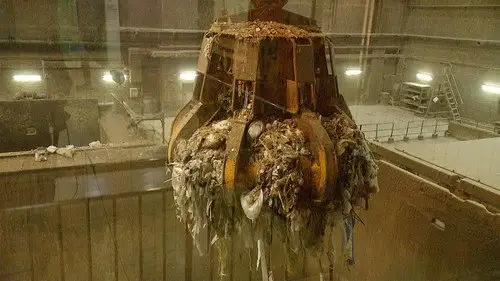
Japan was arguably one of the cleanest places in the world in centuries past. But today, garbage is a major issue. In other countries, rubbish may be sent straight to the landfill, but in Japan—where available space is limited—it is generally incinerated first. Even so, landfill space is running out, and new methods are needed. Among the sites Peter Barakan visits as he explores paths to the future is a surprisingly beautiful incineration plant, designed by world-renowned artist Friedensreich Hundertwasser.
Japanology Plus · S10E19
 Ep 20 28m 56s
 Episodio 20
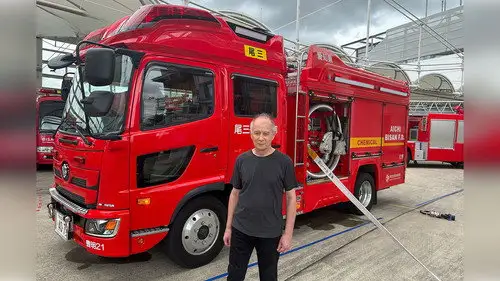
Wildfires are becoming more frequent and residential fires are posing new challenges. Japan is responding to this evolving reality by developing new firefighting technologies, such as water-free fire engines, AI-powered robots, and self-extinguishing building materials. Around the country, official fire departments are supported by volunteer firefighters, but as societal norms change the number of volunteers is dropping. We introduce the latest from the world of Japanese firefighting.
Japanology Plus · S10E20
 Ep 21 28m 34s
 Episodio 21
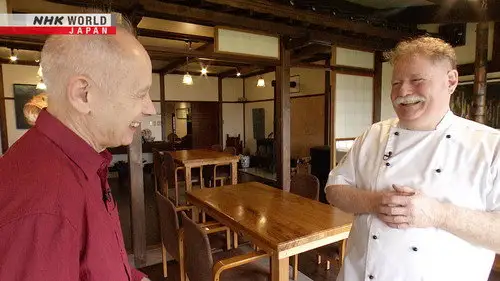
Fermented foods are a longstanding staple of Noto cuisine. This region in Ishikawa Prefecture has a local specialty: ishiri, a fermented fish sauce. Benjamin Flatt, an Australia-born chef living in Noto, uses ishiri and other local ingredients to create his "Noto Italian" cuisine at his popular guest house. The restaurant serves only four groups a day. Peter Barakan talks to him about his passion for conserving traditional fermentation techniques and showcasing the quality of local ingredients.
Japanology Plus · S10E21
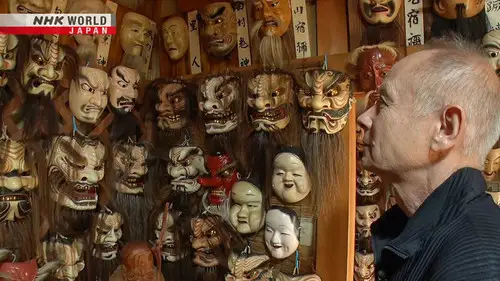 Ep 22 28m 54s
 Episodio 22
Each year, Japan's deities are said to gather in Izumo in western Japan. We visit Izumo Taisha, a shrine with a millennium of history, and explore a land with deep connections to the distant past.
Japanology Plus · S10E22
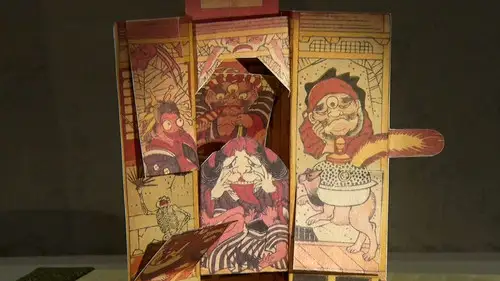 Ep 23 28m 14s
 Episodio 23
In the late 19th century, writer Lafcadio Hearn (Japanese name: Koizumi Yakumo) helped introduce Japan to the wider world. We visit the Izumo area to learn about the supernatural realm that he loved.
Japanology Plus · S10E23
Califica la serie
Compartir
HijoDelMilenio
9 horas haceAmanteDeSushi99
2 días haceNetflixYRelajación
3 días haceTíoGuay123
4 días haceGatoMiau
5 días haceMcFlurry
6 días hace1337_Hablador
7 días haceMaratónDeSeries99
8 días haceEmma Howard
Self - Guest

Marie Kondo
Self - Expert

Peter Barakan
Self - Host


La casa del dragón

Te encontraré

Rancho Dutton

FROM

Silo

The Bear

Avatar: La leyenda de Aang 2024

Elle

La maldición de Widow's Bay

Juego de tronos

Cape Fear

Vida, Larry David y la búsqueda de la infelicidad

La Agencia 2024

Breaking Bad

X-Men '97

The Boys

The Pitt

Rick y Morty

Spider-Noir

Yellowstone
Detalles